The Global Movement Against Statelessness (GMAS) officially launched the Stateless Month of Action last October with a clear message: stateless communities are not merely subjects of change; they are its leaders.
Anchored by the theme Storytelling ("Building Our Stories"), the opening week centered on the voices, perspectives, and lived experiences of stateless individuals. Rather than treating storytelling as passive awareness, Week One explored how reclaiming narratives serves as a vital form of resistance, knowledge production, and collective power.
Global Online Session: Ethical Storytelling, Lived Experience, and Language Inclusivity
Kicking off the month online on October 6, the global session brought together movement builders, editors, and affected-community writers to examine both the history of the movement and the mechanics of how stories of statelessness are told.
Documenting the Movement’s Story
The session opened with a preview of GMAS’s, “The Story of the Movement” video. Tracing GMAS’s journey from its inception at the 2019 World Conference on Statelessness in The Hague, it reflected on why preserving the human history of organizing matters. Official records often reduce statelessness to legal categories and conventions, leaving out the relationships, emotional labor, and leadership of affected communities who build change from the ground up.
The Global Voices Spotlight Series
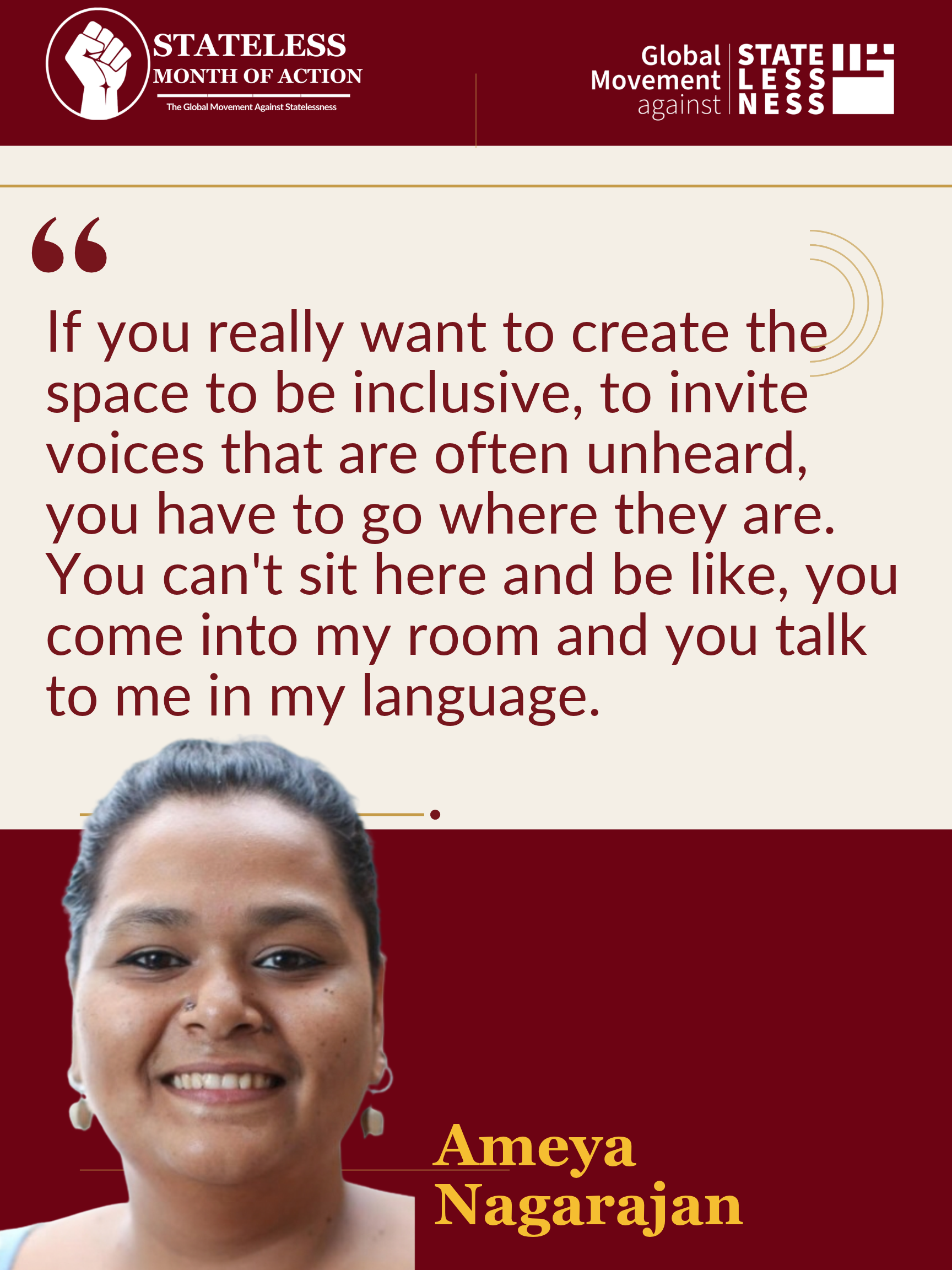
Moderated by Christy Chitengu alongside Global Voices editors Malka Older and Ameya Nagarajan, the panel unpacked the editorial care behind their collaborative Spotlight Series. The conversation highlighted the importance of "meeting storytellers where they are"; adapting workflows across connectivity barriers and languages so that editorial standards support, rather than erase, an author's authentic voice.
Personal Journeys & Community Histories
Contributors demonstrated how storytelling operates across different scales. Kamaro Christian shared how examining the historical migration and decades-long exclusion of the Makonde community from Mozambique to Kenya illuminates broader debates around jus soli (birthright citizenship) and sovereignty. Meanwhile, Rohingya youth activist Mohammed Asem spoke from Cox’s Bazar, Bangladesh, on navigating personal trauma and barriers to higher education while ensuring his individual story authentically reflects the resilience of his broader community.
Launching the Living Dictionary of Statelessness
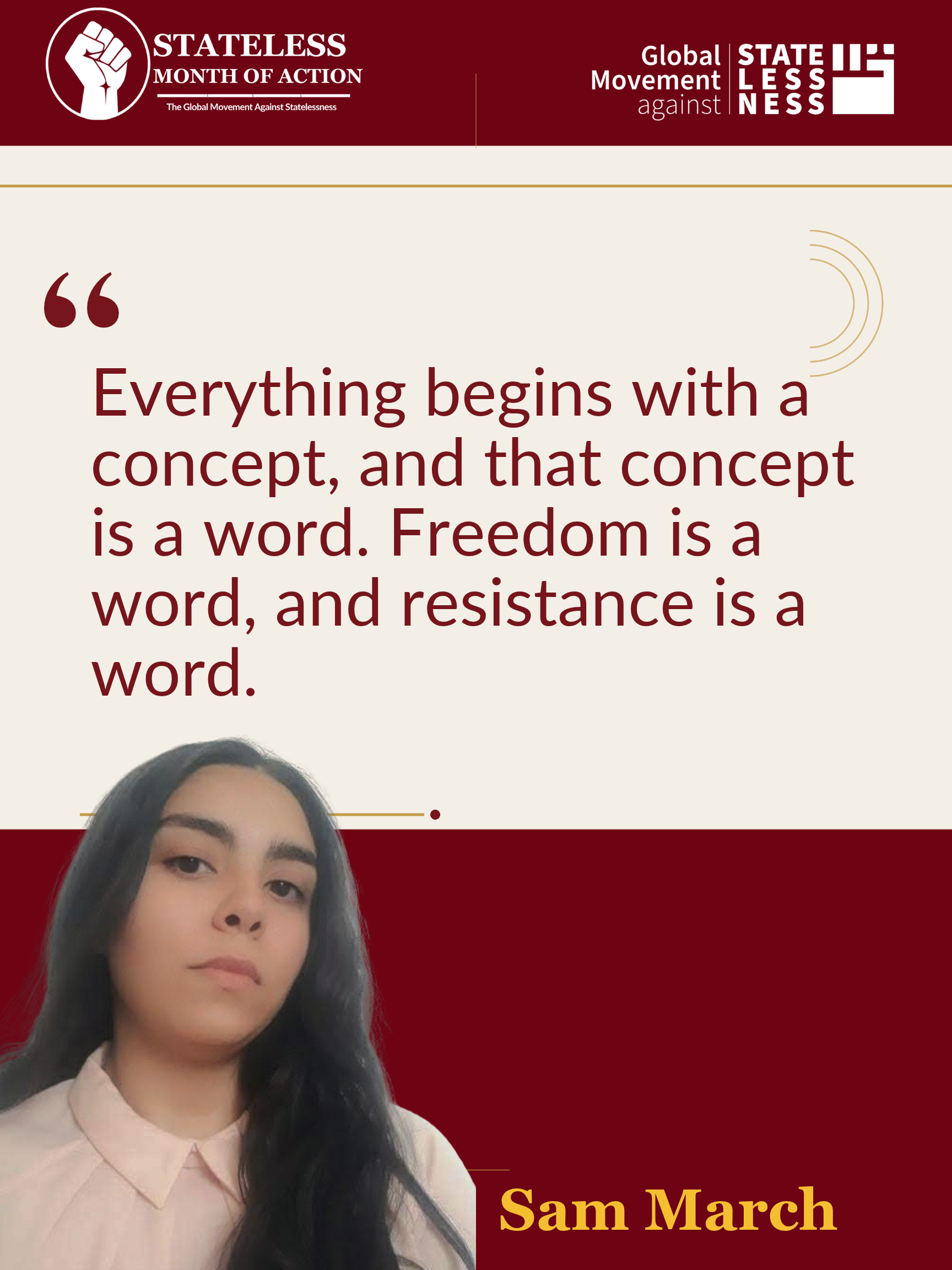
Recognizing that the English legal term "statelessness" often fails to capture local realities or does not exist in many languages. Sam March unveiled the redesigned GMAS website and the Living Dictionary of Statelessness. Using Lebanon as an example, where affected communities identify with terms like Maktum al-Qaid rather than literal legal translations, March demonstrated how this crowd-sourced, region-by-region platform allows communities to define their own realities on their own terms. March urged the stateless community to continue their contribution, emphasising on the importance of knowing each other's languages.
Watch the Recording: https://youtu.be/shW5EZCwglE
On the Ground in Karachi: "Our Stories, Our Power"
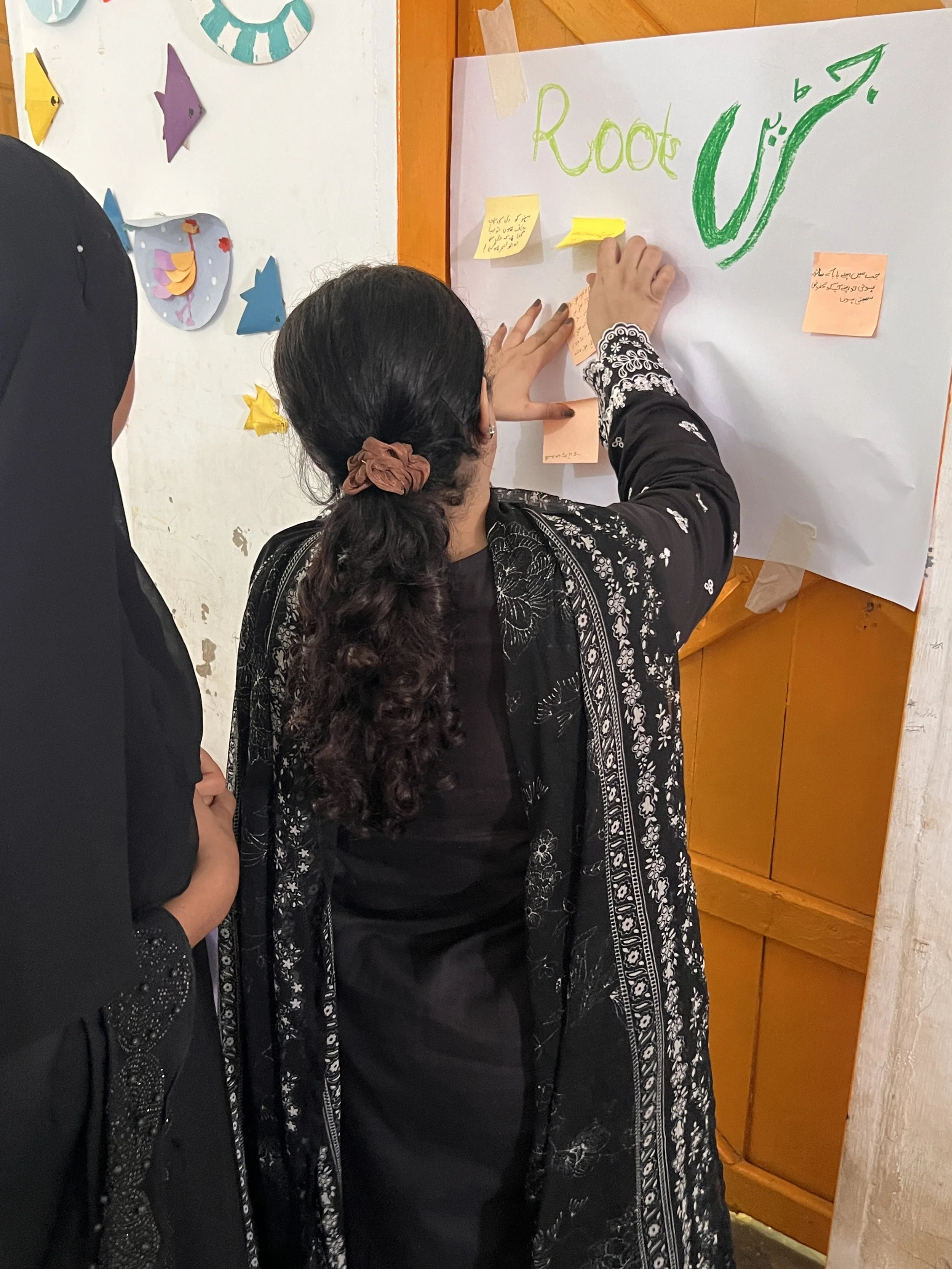
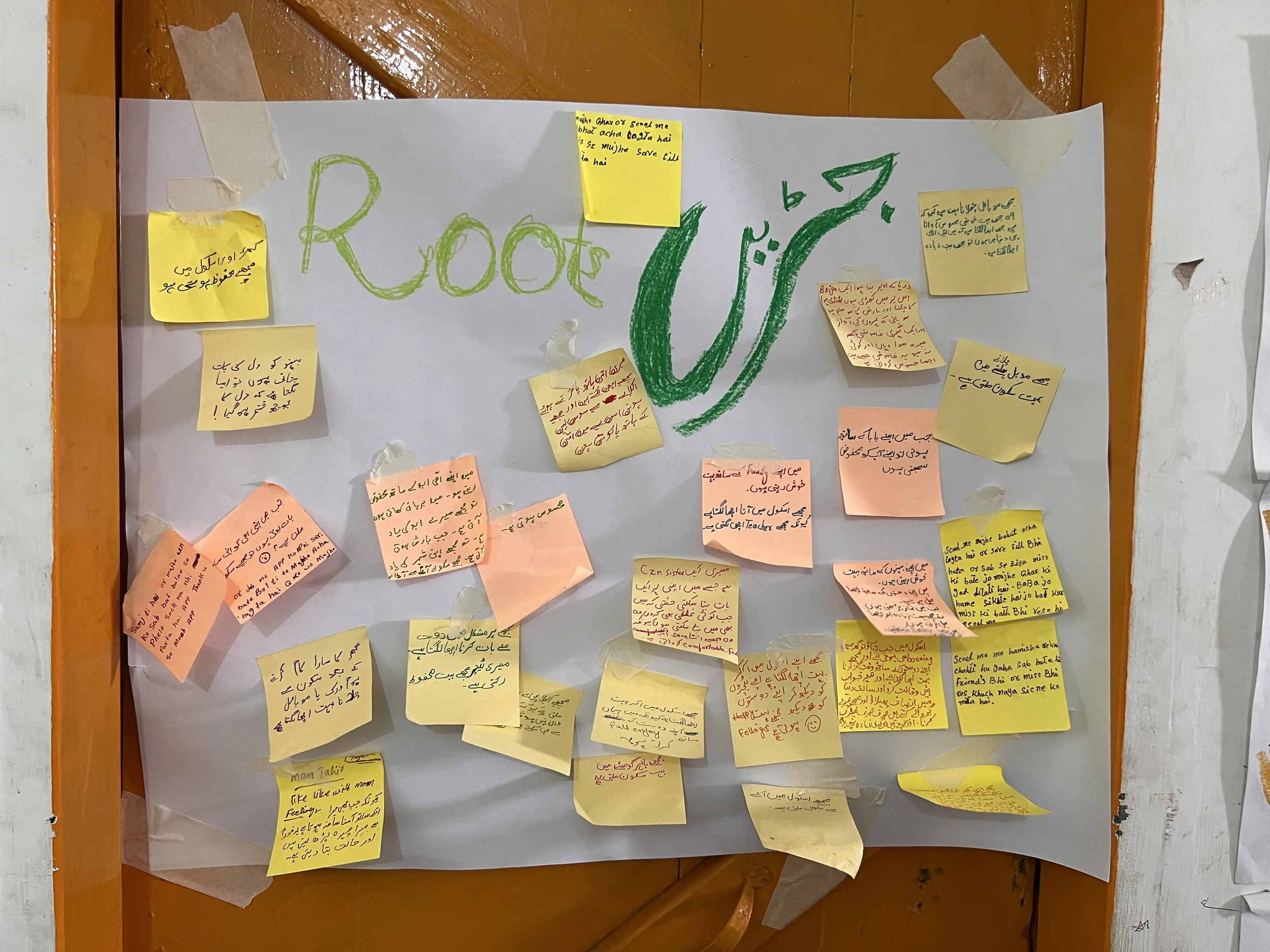
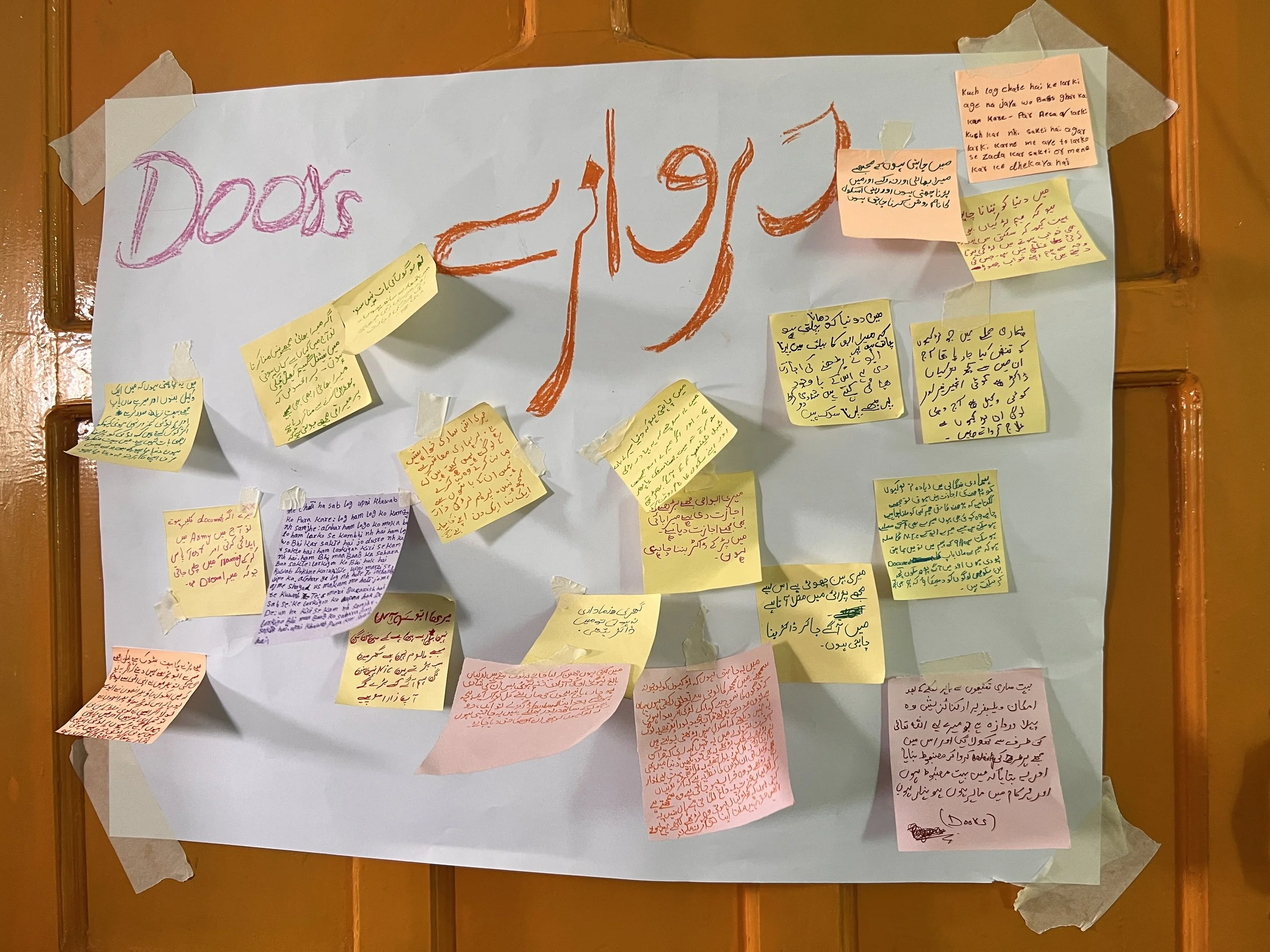
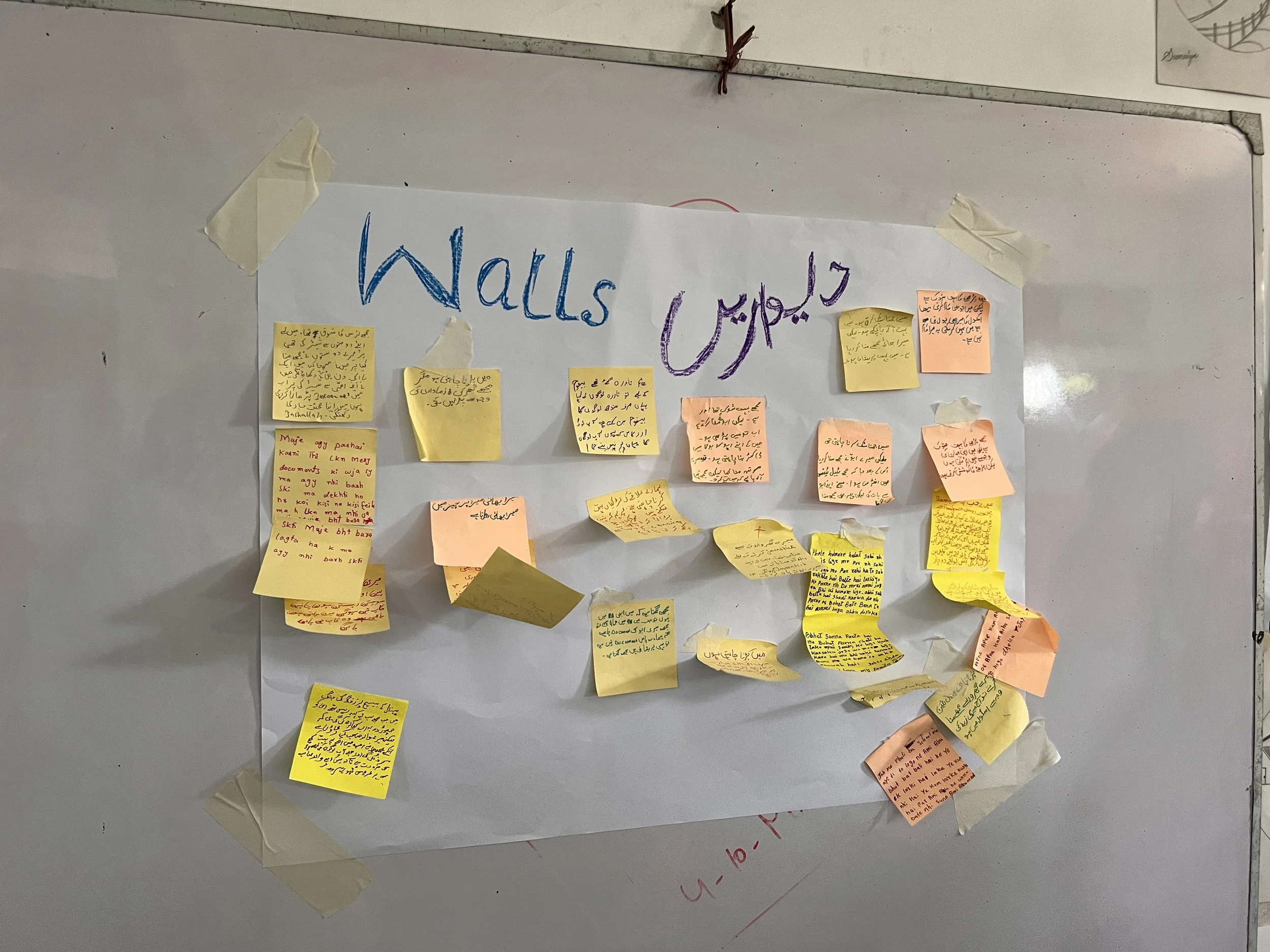
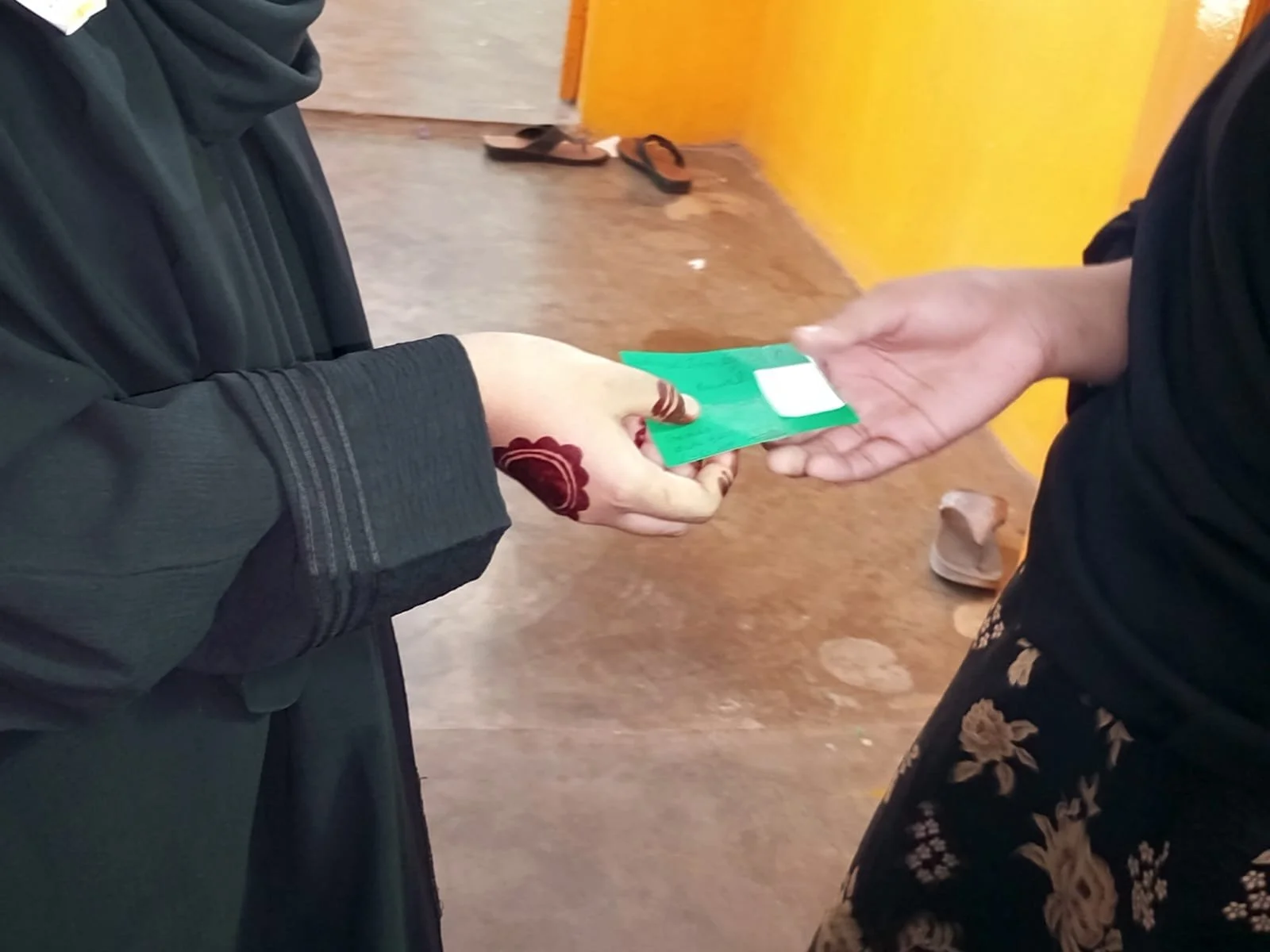
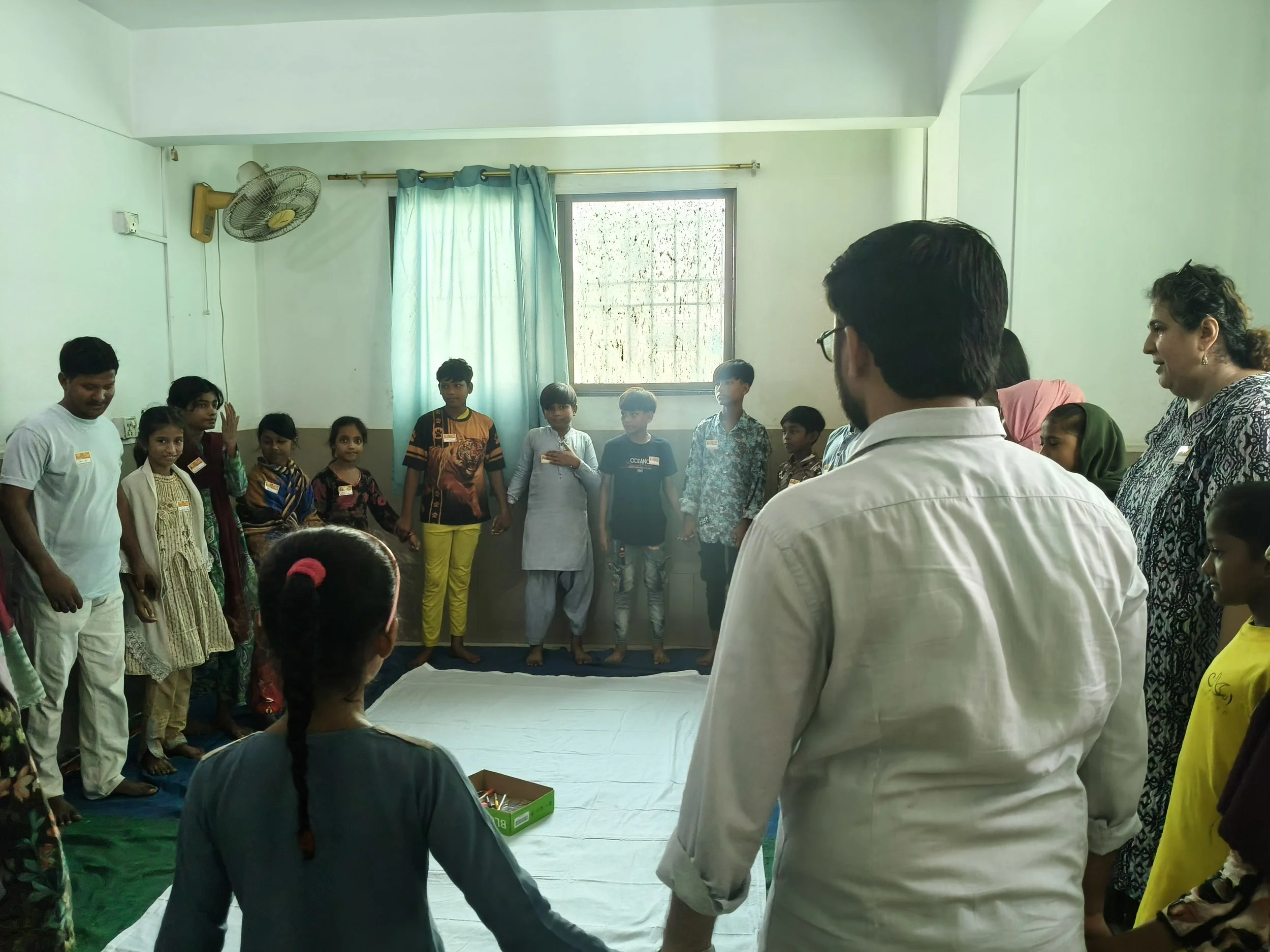
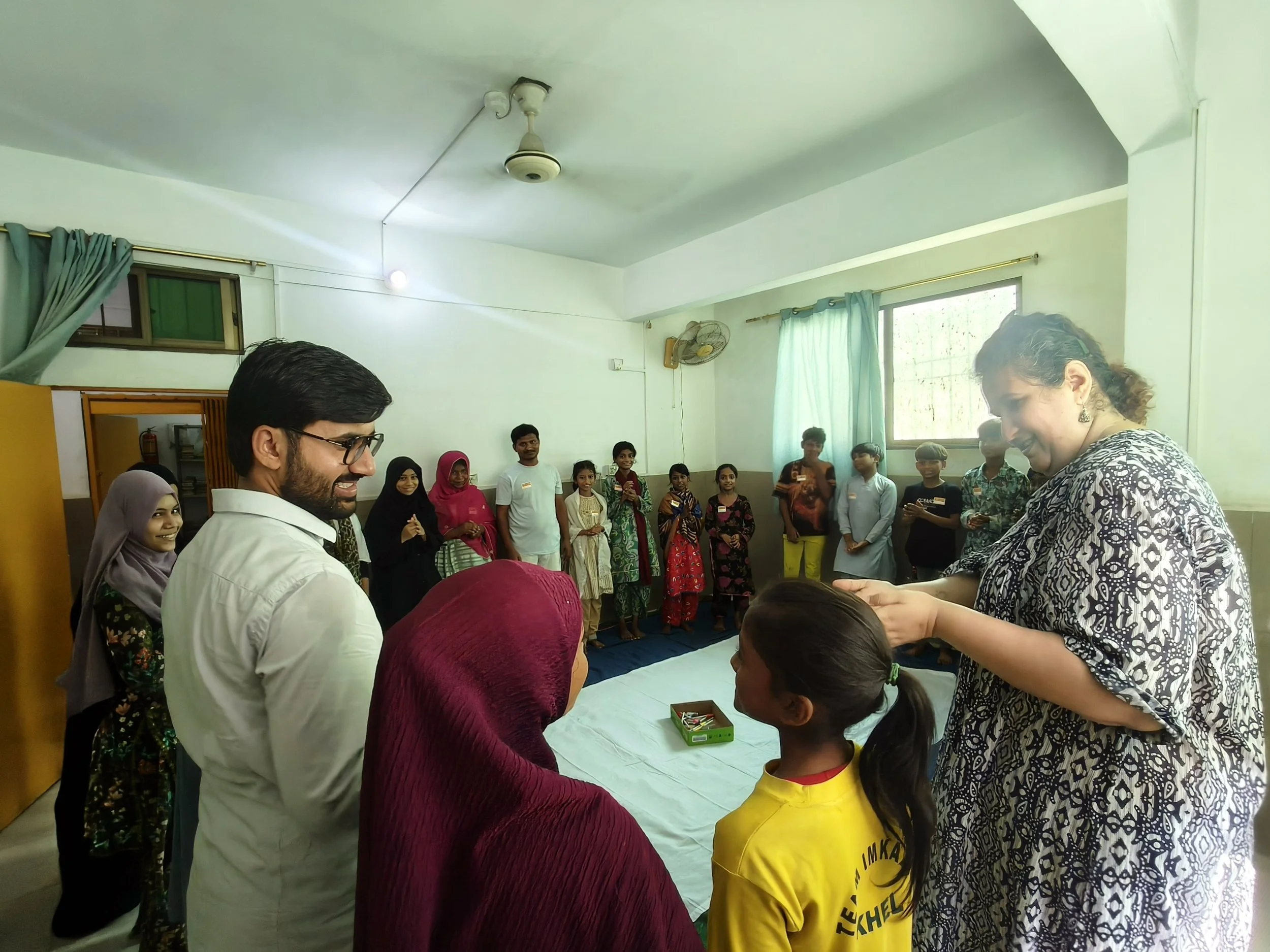
Complementing the global dialogue, Week One moved into grassroots, in-person action on Wednesday, October 7, in Karachi, Pakistan. Delivered in partnership with Imkaan Welfare Organization, the gathering "Our Stories, Our Power" created a dedicated, off-line space for community members to shape their own narratives.
Designed as a participatory workshop rather than an external showcase, the event ran across two parallel tracks:
Children’s Programme ("My Story, My Colours"): Twenty children aged 5 to 15 engaged in trauma-sensitive play, movement, and art sessions. Through guided drawing and a collaborative community mural, young participants explored identity and belonging without pressure to recount difficult experiences verbally.
Adults’ Programme (Story Circles & Skills Workshop): Twenty adult participants came together in small, confidential story circles to share experiences of identity and community. Facilitators led practical workshops on narrative structure, digital privacy, and safeguarding, empowering participants to produce their own short videos, audio clips, and written pieces.
The day culminated in a joint lunch where children and adults shared their artwork and reflections, uniting their voices into a single collective message connecting Karachi to the global Month of Action. Short videos and supporting material captured on the day are being shared across Imkaan and GMAS’s social media channels to extend the reach of participants' stories.
See the Videos & Highlights: https://www.instagram.com/imkaanwelfare?utm_source=ig_web_button_share_sheet&knvt=ZDNlZDc0MzIxNw==
Looking Ahead: Week Two
Week One laid the essential foundation by affirming that those closest to the issue hold the authority to define it. As the Stateless Month of Action recaps continue into Week Two: From Stories to Collective Action, the movement shifts from narrative to structured organizing; featuring the launch of the new GMAS Membership Platform and a community event in the United Kingdom hosted with the European Network on Statelessness (ENS) and JRS.
Want to add your voice to the movement? Explore the Living Dictionary of Statelessness to contribute how statelessness is understood in your language and community.