
The Living Statelessness Dictionary
Statelessness does not translate neatly into every language.
Across communities, people describe statelessness through words about citizenship, home, papers, recognition, belonging, invisibility and exclusion. In some languages there is a recognised term for statelessness. In others, there is no commonly used equivalent, and people instead describe what the experience means in everyday life.
The Global Movement Against Statelessness Living Dictionary brings together words, phrases and expressions contributed by people with a lived experience of statelessness and discriminatory nationality laws from different countries, languages and communities.
It is not intended to establish a single definition of statelessness, or to suggest that everyone speaking a particular language understands statelessness in the same way. Instead, it records how contributors themselves understand, translate and describe statelessness.
This dictionary is living because language and experiences are living. It can grow as more people and communities contribute.
The entries below reflect the knowledge, language and perspectives shared by individual contributors to the Living Dictionary survey.
Discover Our Dictionary One Region at A Time
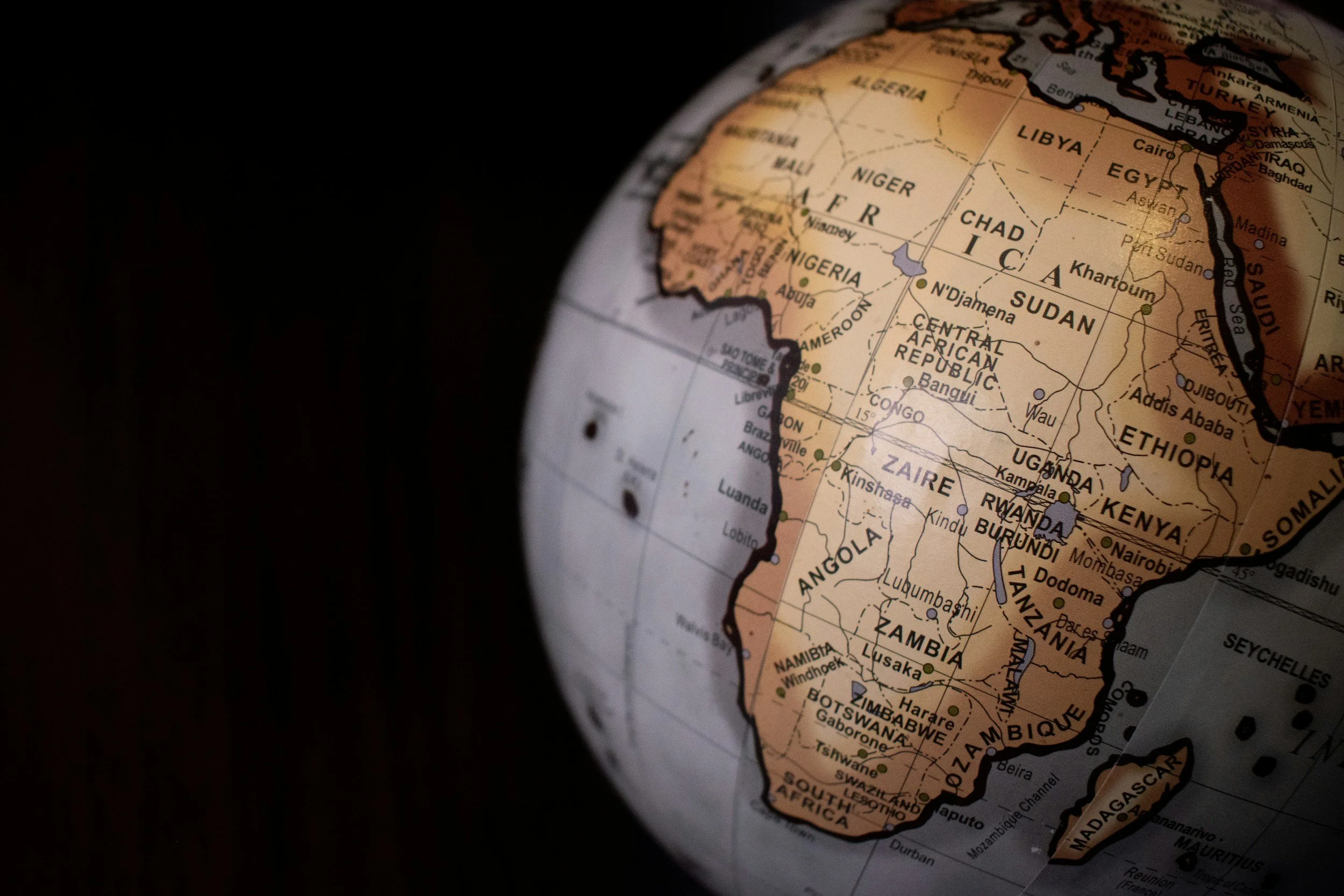
Africa
Americas

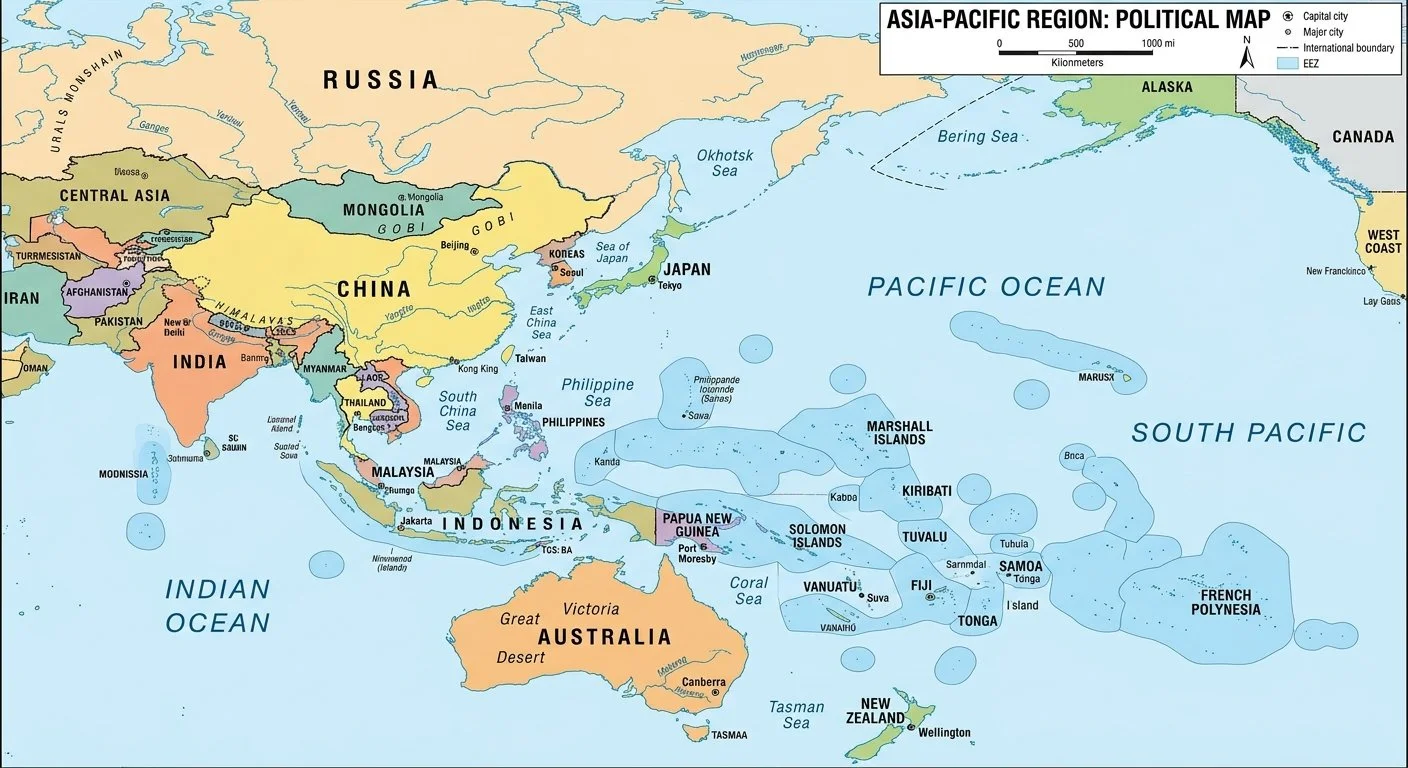
Asia-Pacific
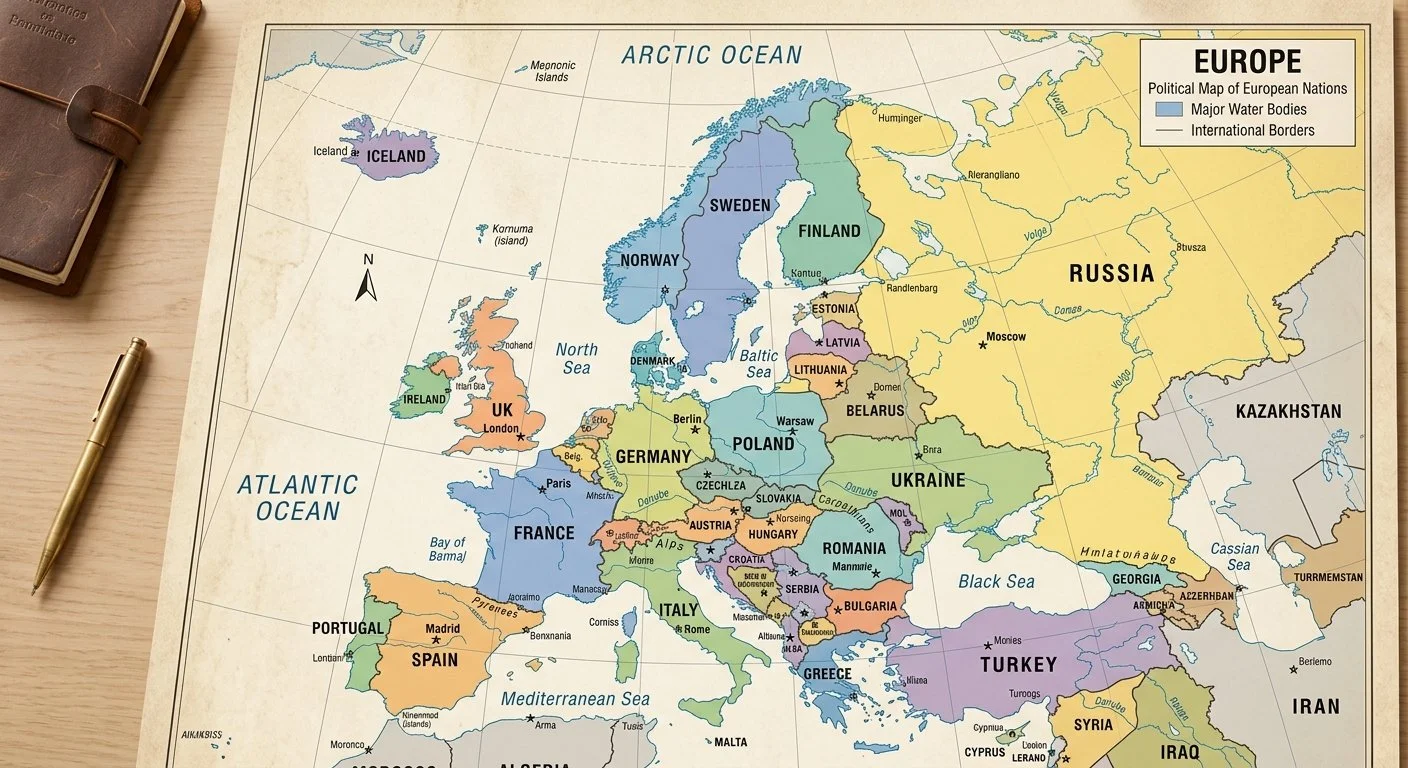
Europe
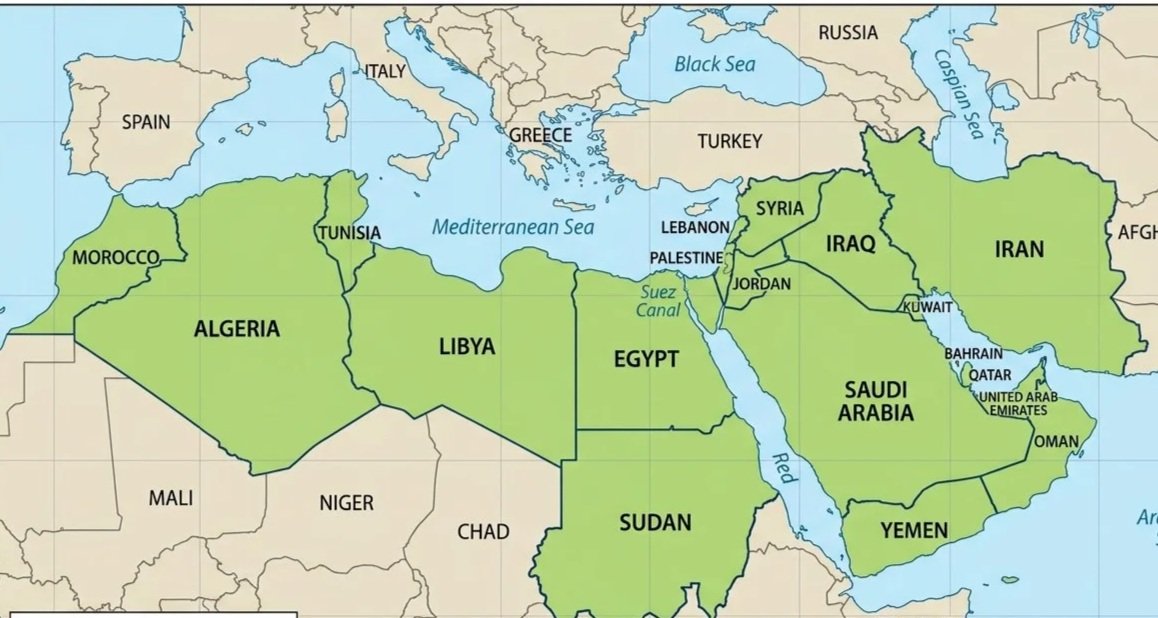
SWANA (MENA)
What the Dictionary Is Telling Us
Even from this first collection of contributions, there is striking diversity in how statelessness enters language.
Across the submissions, contributors repeatedly describe experiences through concepts such as:
Without citizenship Without a country Without papers Outside the system Invisible Belonging nowhere Not belonging Without a home Unknown origins Living in the shadows
But the contributions also contain an important warning: these ideas are related, but they are not interchangeable.
Lacking documents does not necessarily mean that someone is stateless. Being displaced or without a home does not necessarily mean being stateless. Having a nationality recorded as “unknown” does not necessarily mean being stateless. Contributors themselves repeatedly identify these distinctions.
Perhaps most importantly, several contributors tell us that a technically accurate translation still does not capture what statelessness feels like or does to a person's everyday life. Their language moves beyond legal status toward home, ancestry, visibility, recognition, paperwork and belonging. This is precisely the space the Living Dictionary can hold: the distance between the legal definition of statelessness and the words people use to describe living it.
Contributors
We thank everyone who has contributed their language, knowledge and experience to the Living Dictionary on Statlessnesss
The following contributors consented to being credited by name:
Contributor Country / residence Language(s) contributed
Andrew Stephen Duarte Oliveira India English
Indrajit Saphi Nepal English / Nepali expressions*
Kanav Narayan Sahgal India Hindi
Catalina Grecu Romania English, Romanian
Caia Vlieks The Netherlands Dutch
Milana Kreca Croatia Croatian
Abul Osman Bangladesh Rohingyalish
Shofiqure Rahman Bangladesh Rohingya, English
Faith Mario Mjalilla Tanzania Swahili
Abigail Chinyanga Mvura Zimbabwe Shona
Sihle Nyangiwe South Africa isiXhosa
Suha Oudah Kuwait Arabic
Patience Chauke Zimbabwe Shona
Derek Sithole Zimbabwe Shona
Shamiso Zwizwai Zimbabwe Shona
Betsy Fisher United States English
Anonymous contributors
Two contributors expressly requested that their submissions be published anonymously, so their names should not appear on the public website:
· Arabic, contribution from Egypt
· Ndebele, contribution from Zimbabwe / Matabelelan
A Living Dictionary Not a Fixed Definition
These are contributed meanings, not GMAS-certified translations. A contribution describes how a word or experience is understood by that contributor and should not be presented as representing every speaker of the language. If future contributors offer different definitions and expressions, those will sit alongside these entries rather than one being selected as the “correct” translation. Several contributors themselves emphasize that being undocumented is not synonymous with being stateless.